
Evaluation & Personalized Treatment for Fibroid-Related Symptoms
Uterine fibroids are a common condition that affects many women at different stages of life. While fibroids are noncancerous growths of the uterus, they can cause a wide range of symptoms that impact daily comfort, menstrual health, and overall quality of life. For patients in Madison, AL and the surrounding Huntsville area, comprehensive evaluation and individualized treatment for uterine fibroids can help relieve symptoms and restore balance.
Fibroids, also known as leiomyomas or myomas, develop from the muscle tissue of the uterus. They vary in size, number, and location, and symptoms can range from mild to significant. Some patients may have fibroids without realizing it, while others experience heavy or prolonged menstrual bleeding, pelvic pressure, bloating, pain, urinary frequency, constipation, or reproductive concerns. Because symptoms vary widely, evaluation and treatment should be tailored to each patient’s unique experience.
Understanding Uterine Fibroids
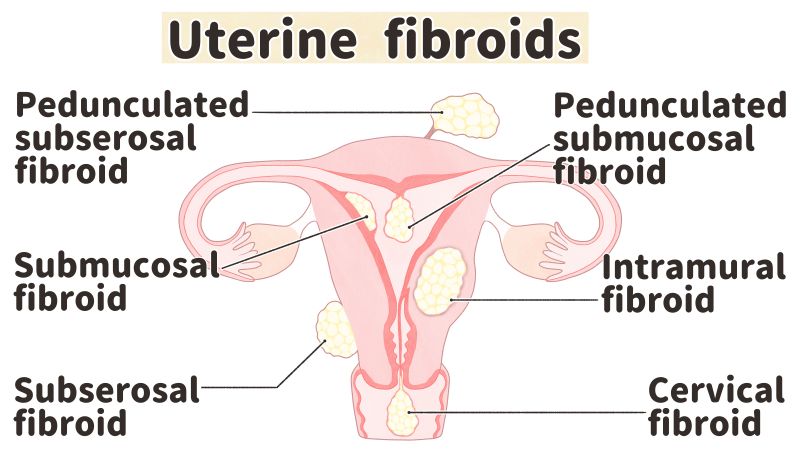
Uterine fibroids can grow in different areas of the uterus, including within the uterine wall, on the outer surface of the uterus, or inside the uterine cavity. The location and size of fibroids often determine which symptoms occur. Hormonal changes, particularly estrogen and progesterone, can influence fibroid growth, which is why symptoms may change over time or around life transitions such as perimenopause.
Although fibroids are benign, their effects can be disruptive. Heavy menstrual bleeding may lead to anemia, fatigue, and missed activities, while pelvic pressure or pain can interfere with daily comfort. Some patients may also experience fertility challenges or pregnancy-related complications associated with fibroids.
When to Seek Evaluation for Uterine Fibroids
Evaluation for uterine fibroids is recommended if you experience heavy or prolonged periods, bleeding between periods, pelvic pain or pressure, increasing abdominal size, frequent urination, constipation, or pain during intercourse. Fibroid evaluation may also be part of an infertility workup or recommended when imaging studies reveal uterine abnormalities.
Early evaluation helps clarify the cause of symptoms and allows for a wider range of treatment options. Many patients feel relief simply from understanding what is happening in their bodies and learning that effective treatments are available.
How Uterine Fibroids Are Diagnosed
Diagnosis typically begins with a detailed medical history and pelvic exam. Imaging studies such as pelvic ultrasound are commonly used to identify fibroids and assess their size and location. In some cases, additional imaging or diagnostic procedures may be recommended to better understand the uterine cavity or evaluate associated symptoms. The goal of diagnostic testing is to create a clear picture that guides individualized care.
Treatment Options for Uterine Fibroids in Madison, AL
There is no single “best” treatment for fibroids—care is highly individualized. Treatment options depend on symptom severity, fibroid size and location, age, reproductive goals, and overall health. Some patients may benefit from monitoring fibroids over time if symptoms are mild, while others require active treatment.
Medical management may include hormonal therapies or medications aimed at reducing bleeding, pain, or fibroid-related symptoms. For patients with more significant symptoms, minimally invasive or surgical options may be considered. These approaches focus on symptom relief while preserving uterine health whenever possible. Treatment recommendations are discussed thoroughly so patients can make informed decisions aligned with their goals.
Fibroids, Fertility & Pregnancy
Fibroids can affect fertility and pregnancy depending on their size and location. Some fibroids may interfere with implantation or contribute to pregnancy complications, while others have little to no impact. If you are planning pregnancy or experiencing infertility, fibroid evaluation plays an important role in understanding reproductive health and planning next steps.
Cost & Insurance for Fibroid Evaluation & Treatment
Cost is an important part of medical care planning. Many diagnostic tests and treatments for uterine fibroids are covered by insurance when medically indicated, though coverage varies by plan. We encourage patients to contact their insurance provider to understand benefits and potential out-of-pocket costs. For patients without insurance or with limited coverage, self-pay options and transparent pricing discussions are available. Many services related to fibroid care are eligible for HSA or FSA use.
Ongoing Support & Patient-Centered Care
Living with fibroid symptoms can feel frustrating and exhausting, especially when symptoms are dismissed or minimized. Our approach to fibroid care is compassionate, thorough, and patient-centered. We take the time to listen to your concerns, explain findings in clear language, and explore treatment options that align with your values and goals.
Whether your symptoms are mild or significantly impacting your daily life, you deserve care that addresses the whole picture—not just imaging results. We are committed to helping you feel informed, supported, and empowered throughout your care journey.
Schedule a Uterine Fibroid Evaluation in Madison, AL
If you are experiencing symptoms that may be related to uterine fibroids or have been diagnosed and want to explore treatment options, we’re here to help. If you are searching for uterine fibroid care in Madison, Alabama, we provide thoughtful evaluation and personalized treatment in a supportive environment.
Schedule a consultation today to take the next step toward relief and improved uterine health.